
Wondrous Cold
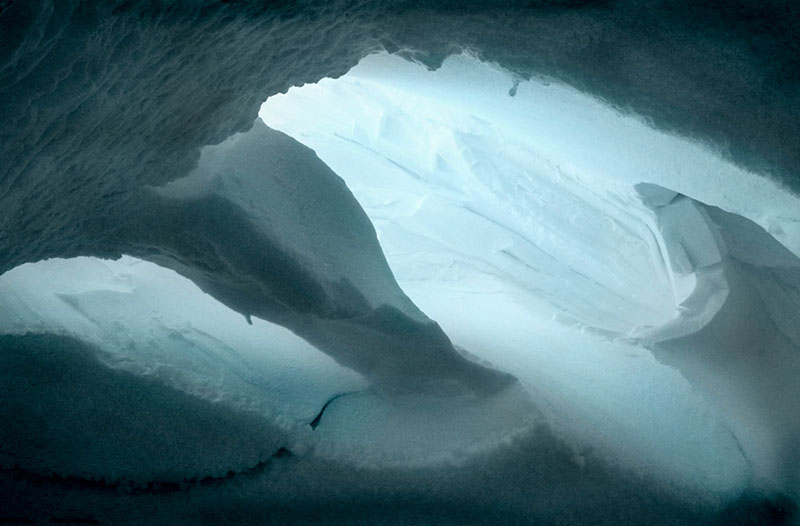
Crevasse Ceiling
14½ x 22″, Archival ink color print
In 2002, I received a four-month grant from the National Science Foundation to photograph “how we live and work in Antarctica.” This photographic project linked the past years of exploration visible in the historic huts of Scott and Shackleton with the ongoing research at McMurdo, surrounding field stations, and the South Pole.
The subsequent exhibition was organized by the Smithsonian Traveling Exhibition Service. It opened at the Museum of Natural History in Washington, D.C. in 2006 and traveled for four years. It was accompanied by a book, Wondrous Cold: An Antarctic Journey, published by Smithsonian Books.
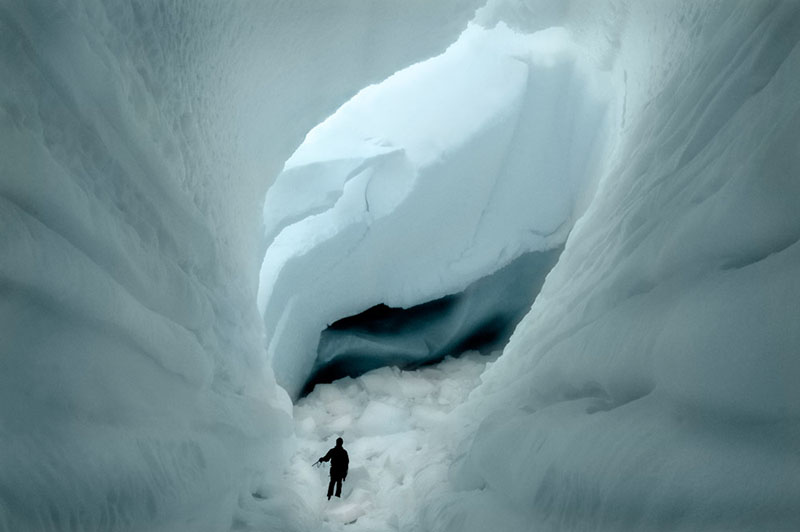
Antarctic Crevasse
14½ x 22″, Archival ink color print
In 2002, I received a four-month grant from the National Science Foundation to photograph “how we live and work in Antarctica.” This photographic project linked the past years of exploration visible in the historic huts of Scott and Shackleton with the ongoing research at McMurdo, surrounding field stations, and the South Pole.
The subsequent exhibition was organized by the Smithsonian Traveling Exhibition Service. It opened at the Museum of Natural History in Washington, D.C. in 2006 and traveled for four years. It was accompanied by a book, Wondrous Cold: An Antarctic Journey, published by Smithsonian Books.
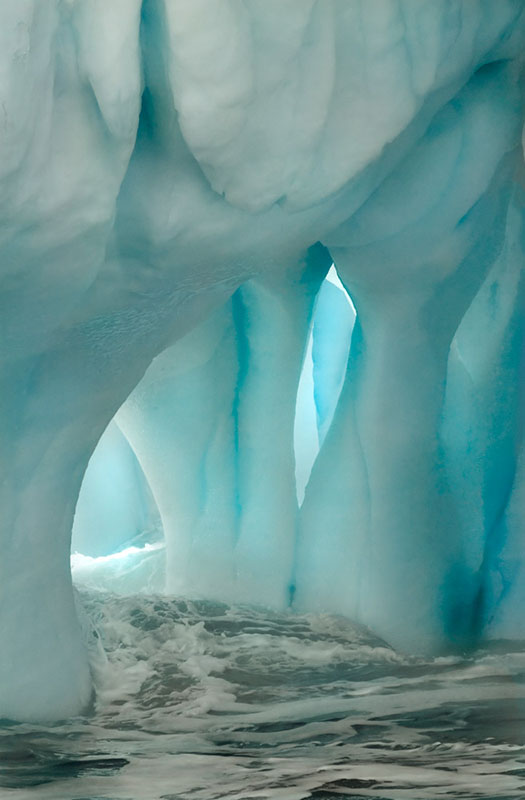
Iceberg Crystal Sound
30 x 19.5″, Archival ink color print
In 2002, I received a four-month grant from the National Science Foundation to photograph “how we live and work in Antarctica.” This photographic project linked the past years of exploration visible in the historic huts of Scott and Shackleton with the ongoing research at McMurdo, surrounding field stations, and the South Pole.
The subsequent exhibition was organized by the Smithsonian Traveling Exhibition Service. It opened at the Museum of Natural History in Washington, D.C. in 2006 and traveled for four years. It was accompanied by a book, Wondrous Cold: An Antarctic Journey, published by Smithsonian Books.

Emperor Penguin Feeding Chick
22x14.5″, Archival ink color print
In 2002, I received a four-month grant from the National Science Foundation to photograph “how we live and work in Antarctica.” This photographic project linked the past years of exploration visible in the historic huts of Scott and Shackleton with the ongoing research at McMurdo, surrounding field stations, and the South Pole.
The subsequent exhibition was organized by the Smithsonian Traveling Exhibition Service. It opened at the Museum of Natural History in Washington, D.C. in 2006 and traveled for four years. It was accompanied by a book, Wondrous Cold: An Antarctic Journey, published by Smithsonian Books.

Emperor Feet
14.5 x 22″, Archival ink color print
In 2002, I received a four-month grant from the National Science Foundation to photograph “how we live and work in Antarctica.” This photographic project linked the past years of exploration visible in the historic huts of Scott and Shackleton with the ongoing research at McMurdo, surrounding field stations, and the South Pole.
The subsequent exhibition was organized by the Smithsonian Traveling Exhibition Service. It opened at the Museum of Natural History in Washington, D.C. in 2006 and traveled for four years. It was accompanied by a book, Wondrous Cold: An Antarctic Journey, published by Smithsonian Books.
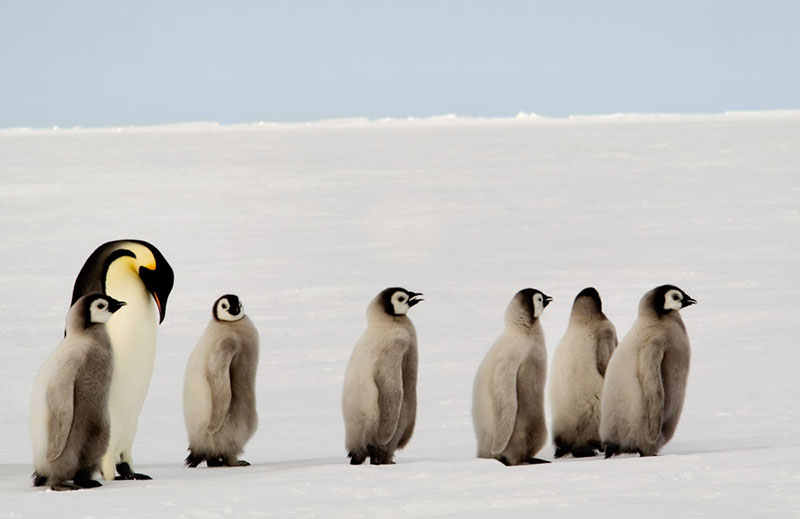
Emperor Chicks
14.5 x 22″, Archival ink color print
In 2002, I received a four-month grant from the National Science Foundation to photograph “how we live and work in Antarctica.” This photographic project linked the past years of exploration visible in the historic huts of Scott and Shackleton with the ongoing research at McMurdo, surrounding field stations, and the South Pole.
The subsequent exhibition was organized by the Smithsonian Traveling Exhibition Service. It opened at the Museum of Natural History in Washington, D.C. in 2006 and traveled for four years. It was accompanied by a book, Wondrous Cold: An Antarctic Journey, published by Smithsonian Books.
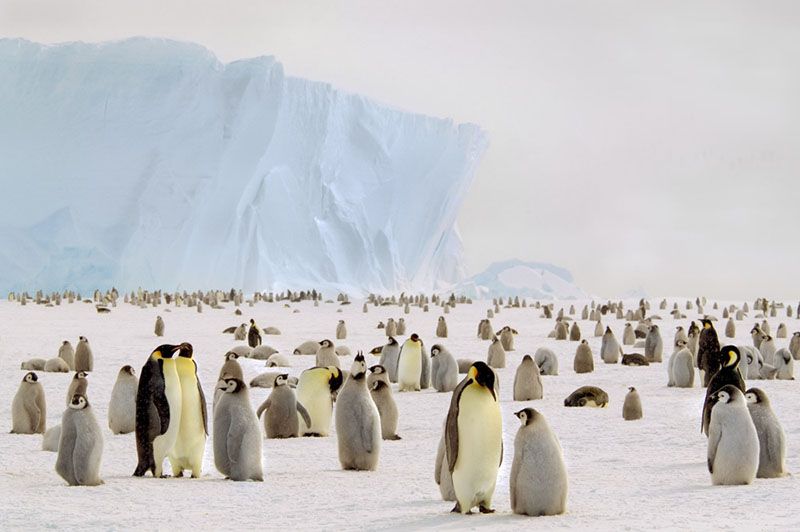
Halley Rookery
14.5 x 22″, Archival ink color print
In 2002, I received a four-month grant from the National Science Foundation to photograph “how we live and work in Antarctica.” This photographic project linked the past years of exploration visible in the historic huts of Scott and Shackleton with the ongoing research at McMurdo, surrounding field stations, and the South Pole.
The subsequent exhibition was organized by the Smithsonian Traveling Exhibition Service. It opened at the Museum of Natural History in Washington, D.C. in 2006 and traveled for four years. It was accompanied by a book, Wondrous Cold: An Antarctic Journey, published by Smithsonian Books.
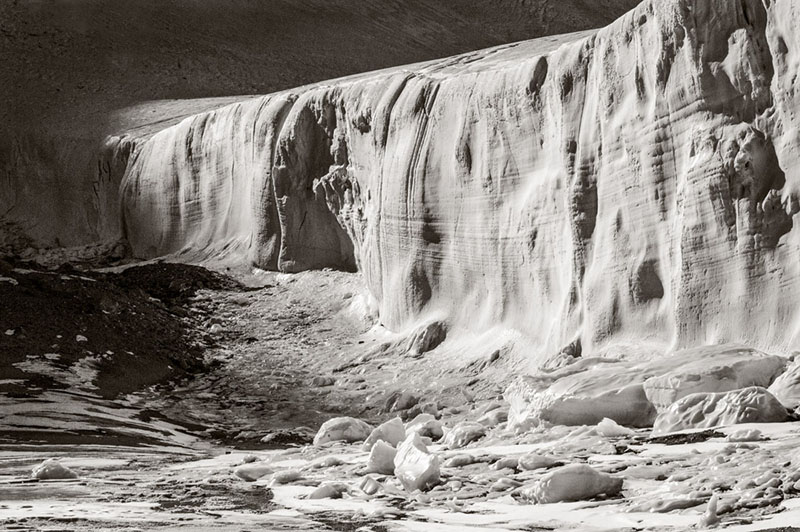
Mummy Pond Glacier
14.5 x 22″, Archival ink color print
In 2002, I received a four-month grant from the National Science Foundation to photograph “how we live and work in Antarctica.” This photographic project linked the past years of exploration visible in the historic huts of Scott and Shackleton with the ongoing research at McMurdo, surrounding field stations, and the South Pole.
The subsequent exhibition was organized by the Smithsonian Traveling Exhibition Service. It opened at the Museum of Natural History in Washington, D.C. in 2006 and traveled for four years. It was accompanied by a book, Wondrous Cold: An Antarctic Journey, published by Smithsonian Books.
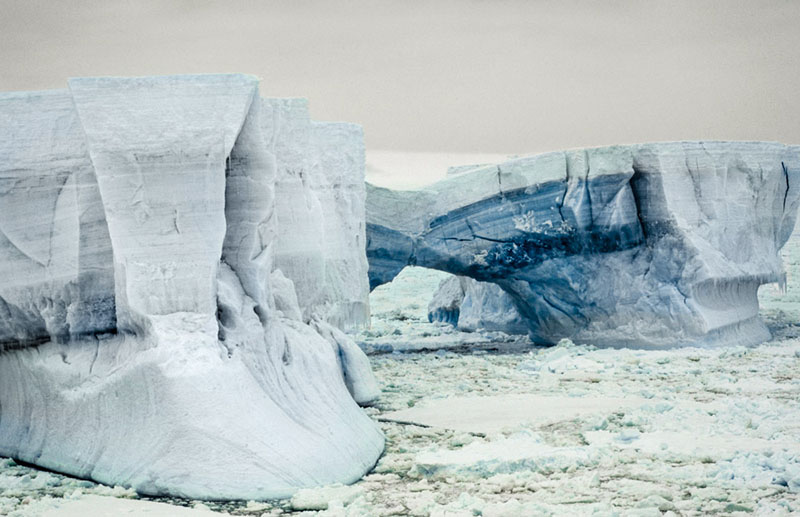
Blue Iceberg
14.5 x 22″, Archival ink color print
In 2002, I received a four-month grant from the National Science Foundation to photograph “how we live and work in Antarctica.” This photographic project linked the past years of exploration visible in the historic huts of Scott and Shackleton with the ongoing research at McMurdo, surrounding field stations, and the South Pole.
The subsequent exhibition was organized by the Smithsonian Traveling Exhibition Service. It opened at the Museum of Natural History in Washington, D.C. in 2006 and traveled for four years. It was accompanied by a book, Wondrous Cold: An Antarctic Journey, published by Smithsonian Books.

Zavodovski (S. Sandwich Islands)
14.5 x 22″, Archival ink color print
In 2002, I received a four-month grant from the National Science Foundation to photograph “how we live and work in Antarctica.” This photographic project linked the past years of exploration visible in the historic huts of Scott and Shackleton with the ongoing research at McMurdo, surrounding field stations, and the South Pole.
The subsequent exhibition was organized by the Smithsonian Traveling Exhibition Service. It opened at the Museum of Natural History in Washington, D.C. in 2006 and traveled for four years. It was accompanied by a book, Wondrous Cold: An Antarctic Journey, published by Smithsonian Books.
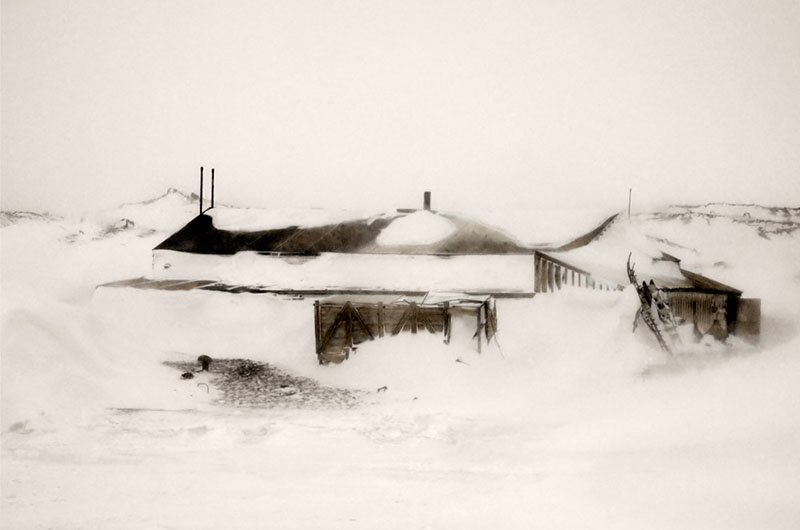
Cape Evans Blizzard
14.5 x 22″, Archival ink color print
In 2002, I received a four-month grant from the National Science Foundation to photograph “how we live and work in Antarctica.” This photographic project linked the past years of exploration visible in the historic huts of Scott and Shackleton with the ongoing research at McMurdo, surrounding field stations, and the South Pole.
The subsequent exhibition was organized by the Smithsonian Traveling Exhibition Service. It opened at the Museum of Natural History in Washington, D.C. in 2006 and traveled for four years. It was accompanied by a book, Wondrous Cold: An Antarctic Journey, published by Smithsonian Books.
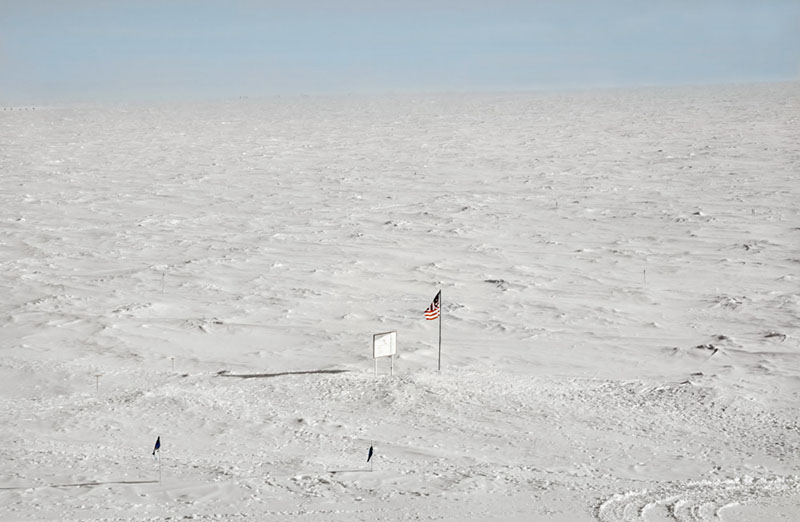
Geographic South Pole
14.5 x 22″, Archival ink color print
In 2002, I received a four-month grant from the National Science Foundation to photograph “how we live and work in Antarctica.” This photographic project linked the past years of exploration visible in the historic huts of Scott and Shackleton with the ongoing research at McMurdo, surrounding field stations, and the South Pole.
The subsequent exhibition was organized by the Smithsonian Traveling Exhibition Service. It opened at the Museum of Natural History in Washington, D.C. in 2006 and traveled for four years. It was accompanied by a book, Wondrous Cold: An Antarctic Journey, published by Smithsonian Books.
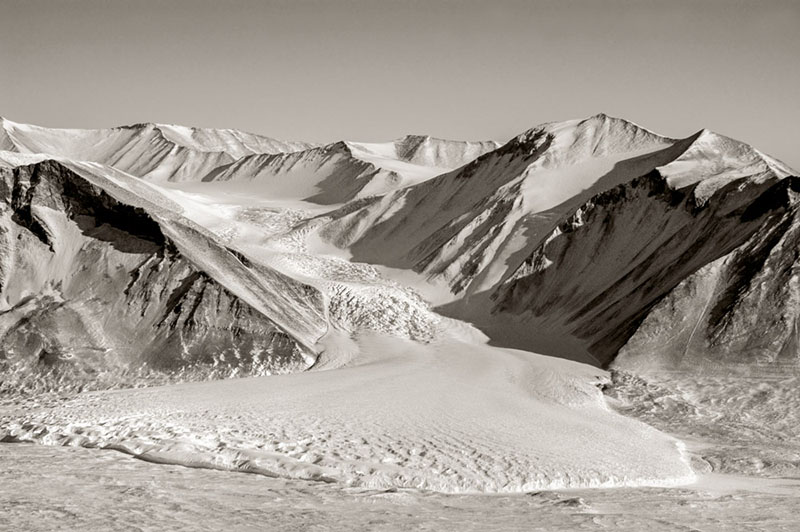
Canada Glacier
14.5 x 22″, Archival ink color print
In 2002, I received a four-month grant from the National Science Foundation to photograph “how we live and work in Antarctica.” This photographic project linked the past years of exploration visible in the historic huts of Scott and Shackleton with the ongoing research at McMurdo, surrounding field stations, and the South Pole.
The subsequent exhibition was organized by the Smithsonian Traveling Exhibition Service. It opened at the Museum of Natural History in Washington, D.C. in 2006 and traveled for four years. It was accompanied by a book, Wondrous Cold: An Antarctic Journey, published by Smithsonian Books.

Whalebone
14.5 x 22″, Archival ink color print
In 2002, I received a four-month grant from the National Science Foundation to photograph “how we live and work in Antarctica.” This photographic project linked the past years of exploration visible in the historic huts of Scott and Shackleton with the ongoing research at McMurdo, surrounding field stations, and the South Pole.
The subsequent exhibition was organized by the Smithsonian Traveling Exhibition Service. It opened at the Museum of Natural History in Washington, D.C. in 2006 and traveled for four years. It was accompanied by a book, Wondrous Cold: An Antarctic Journey, published by Smithsonian Books.

Weddell Seals
14.5 x 22″, Archival ink color print
In 2002, I received a four-month grant from the National Science Foundation to photograph “how we live and work in Antarctica.” This photographic project linked the past years of exploration visible in the historic huts of Scott and Shackleton with the ongoing research at McMurdo, surrounding field stations, and the South Pole.
The subsequent exhibition was organized by the Smithsonian Traveling Exhibition Service. It opened at the Museum of Natural History in Washington, D.C. in 2006 and traveled for four years. It was accompanied by a book, Wondrous Cold: An Antarctic Journey, published by Smithsonian Books.

King Penguins
19.5x30”, Archival ink color print
In 2002, I received a four-month grant from the National Science Foundation to photograph “how we live and work in Antarctica.” This photographic project linked the past years of exploration visible in the historic huts of Scott and Shackleton with the ongoing research at McMurdo, surrounding field stations, and the South Pole.
The subsequent exhibition was organized by the Smithsonian Traveling Exhibition Service. It opened at the Museum of Natural History in Washington, D.C. in 2006 and traveled for four years. It was accompanied by a book, Wondrous Cold: An Antarctic Journey, published by Smithsonian Books.

Polar Sea Night
14.5x22”, Archival ink color print
In 2002, I received a four-month grant from the National Science Foundation to photograph “how we live and work in Antarctica.” This photographic project linked the past years of exploration visible in the historic huts of Scott and Shackleton with the ongoing research at McMurdo, surrounding field stations, and the South Pole.
The subsequent exhibition was organized by the Smithsonian Traveling Exhibition Service. It opened at the Museum of Natural History in Washington, D.C. in 2006 and traveled for four years. It was accompanied by a book, Wondrous Cold: An Antarctic Journey, published by Smithsonian Books.

Discovery Hut with Observation Hill
14.5x22”, Archival ink color print
In 2002, I received a four-month grant from the National Science Foundation to photograph “how we live and work in Antarctica.” This photographic project linked the past years of exploration visible in the historic huts of Scott and Shackleton with the ongoing research at McMurdo, surrounding field stations, and the South Pole.
The subsequent exhibition was organized by the Smithsonian Traveling Exhibition Service. It opened at the Museum of Natural History in Washington, D.C. in 2006 and traveled for four years. It was accompanied by a book, Wondrous Cold: An Antarctic Journey, published by Smithsonian Books.
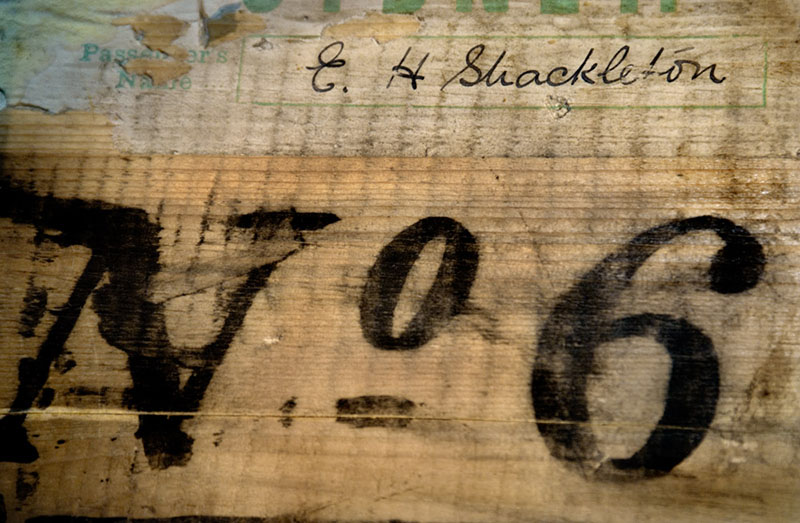
Shackleton’s Signature
14.5x22”, Archival ink color print
In 2002, I received a four-month grant from the National Science Foundation to photograph “how we live and work in Antarctica.” This photographic project linked the past years of exploration visible in the historic huts of Scott and Shackleton with the ongoing research at McMurdo, surrounding field stations, and the South Pole.
The subsequent exhibition was organized by the Smithsonian Traveling Exhibition Service. It opened at the Museum of Natural History in Washington, D.C. in 2006 and traveled for four years. It was accompanied by a book, Wondrous Cold: An Antarctic Journey, published by Smithsonian Books.

C19 Iceberg
14.5x22”, Archival ink color print
In 2002, I received a four-month grant from the National Science Foundation to photograph “how we live and work in Antarctica.” This photographic project linked the past years of exploration visible in the historic huts of Scott and Shackleton with the ongoing research at McMurdo, surrounding field stations, and the South Pole.
The subsequent exhibition was organized by the Smithsonian Traveling Exhibition Service. It opened at the Museum of Natural History in Washington, D.C. in 2006 and traveled for four years. It was accompanied by a book, Wondrous Cold: An Antarctic Journey, published by Smithsonian Books.
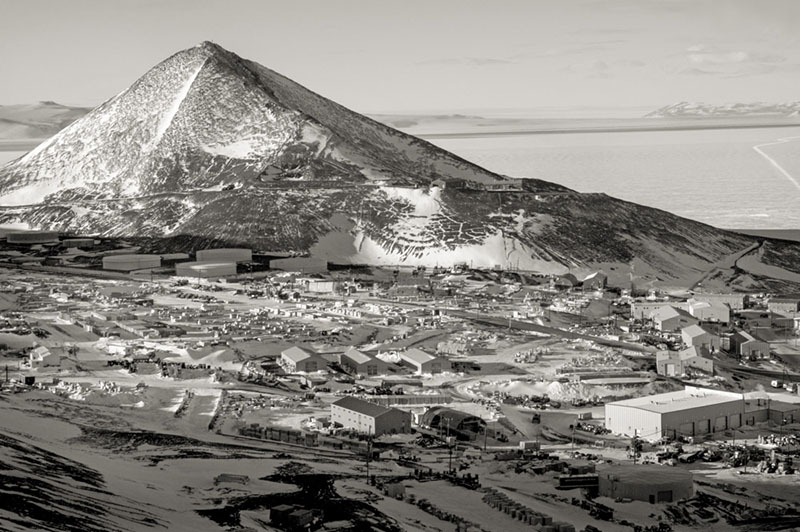
McMurdo Station
14.5x22”, Archival ink color print
In 2002, I received a four-month grant from the National Science Foundation to photograph “how we live and work in Antarctica.” This photographic project linked the past years of exploration visible in the historic huts of Scott and Shackleton with the ongoing research at McMurdo, surrounding field stations, and the South Pole.
The subsequent exhibition was organized by the Smithsonian Traveling Exhibition Service. It opened at the Museum of Natural History in Washington, D.C. in 2006 and traveled for four years. It was accompanied by a book, Wondrous Cold: An Antarctic Journey, published by Smithsonian Books.

McMurdo Station Skiing
14.5x22”, Archival ink color print
In 2002, I received a four-month grant from the National Science Foundation to photograph “how we live and work in Antarctica.” This photographic project linked the past years of exploration visible in the historic huts of Scott and Shackleton with the ongoing research at McMurdo, surrounding field stations, and the South Pole.
The subsequent exhibition was organized by the Smithsonian Traveling Exhibition Service. It opened at the Museum of Natural History in Washington, D.C. in 2006 and traveled for four years. It was accompanied by a book, Wondrous Cold: An Antarctic Journey, published by Smithsonian Books.
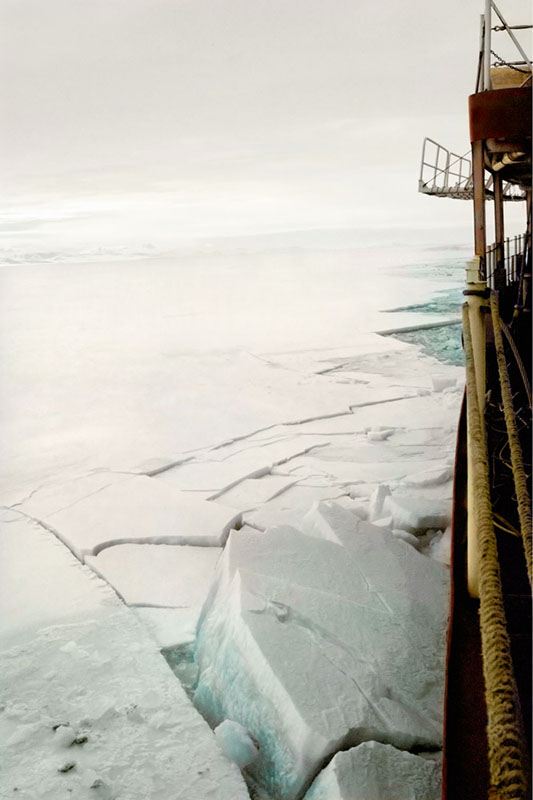
Cutting the Channel
17x11.5″, Archival ink color print
In 2002, I received a four-month grant from the National Science Foundation to photograph “how we live and work in Antarctica.” This photographic project linked the past years of exploration visible in the historic huts of Scott and Shackleton with the ongoing research at McMurdo, surrounding field stations, and the South Pole.
The subsequent exhibition was organized by the Smithsonian Traveling Exhibition Service. It opened at the Museum of Natural History in Washington, D.C. in 2006 and traveled for four years. It was accompanied by a book, Wondrous Cold: An Antarctic Journey, published by Smithsonian Books.

Suess Glacier
14.5x22”, Archival ink color print
In 2002, I received a four-month grant from the National Science Foundation to photograph “how we live and work in Antarctica.” This photographic project linked the past years of exploration visible in the historic huts of Scott and Shackleton with the ongoing research at McMurdo, surrounding field stations, and the South Pole.
The subsequent exhibition was organized by the Smithsonian Traveling Exhibition Service. It opened at the Museum of Natural History in Washington, D.C. in 2006 and traveled for four years. It was accompanied by a book, Wondrous Cold: An Antarctic Journey, published by Smithsonian Books.
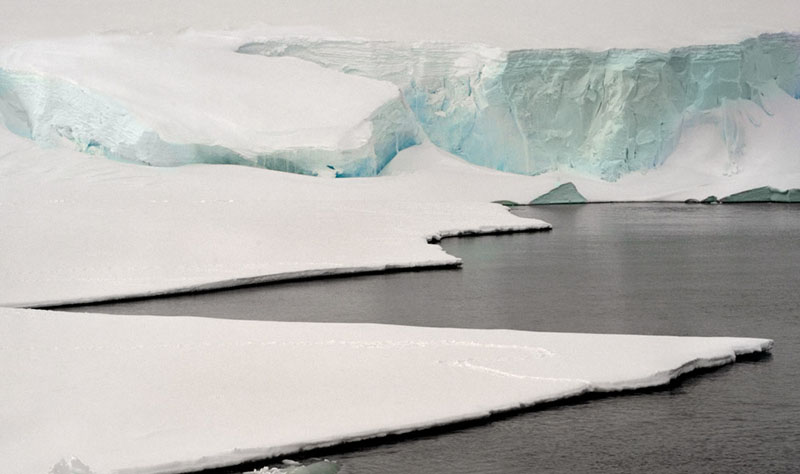
Drygalski Ice Tongue
14.5x22”, Archival ink color print
In 2002, I received a four-month grant from the National Science Foundation to photograph “how we live and work in Antarctica.” This photographic project linked the past years of exploration visible in the historic huts of Scott and Shackleton with the ongoing research at McMurdo, surrounding field stations, and the South Pole.
The subsequent exhibition was organized by the Smithsonian Traveling Exhibition Service. It opened at the Museum of Natural History in Washington, D.C. in 2006 and traveled for four years. It was accompanied by a book, Wondrous Cold: An Antarctic Journey, published by Smithsonian Books.

Cape Crozier (sea ice)
14.5x22”, Archival ink color print
In 2002, I received a four-month grant from the National Science Foundation to photograph “how we live and work in Antarctica.” This photographic project linked the past years of exploration visible in the historic huts of Scott and Shackleton with the ongoing research at McMurdo, surrounding field stations, and the South Pole.
The subsequent exhibition was organized by the Smithsonian Traveling Exhibition Service. It opened at the Museum of Natural History in Washington, D.C. in 2006 and traveled for four years. It was accompanied by a book, Wondrous Cold: An Antarctic Journey, published by Smithsonian Books.

Last Sunset
14.5x22”, Archival ink color print
In 2002, I received a four-month grant from the National Science Foundation to photograph “how we live and work in Antarctica.” This photographic project linked the past years of exploration visible in the historic huts of Scott and Shackleton with the ongoing research at McMurdo, surrounding field stations, and the South Pole.
The subsequent exhibition was organized by the Smithsonian Traveling Exhibition Service. It opened at the Museum of Natural History in Washington, D.C. in 2006 and traveled for four years. It was accompanied by a book, Wondrous Cold: An Antarctic Journey, published by Smithsonian Books.

Mt. Erebus
14.5x22”, Archival ink color print
In 2002, I received a four-month grant from the National Science Foundation to photograph “how we live and work in Antarctica.” This photographic project linked the past years of exploration visible in the historic huts of Scott and Shackleton with the ongoing research at McMurdo, surrounding field stations, and the South Pole.
The subsequent exhibition was organized by the Smithsonian Traveling Exhibition Service. It opened at the Museum of Natural History in Washington, D.C. in 2006 and traveled for four years. It was accompanied by a book, Wondrous Cold: An Antarctic Journey, published by Smithsonian Books.

Ice Towers, Erebus
12.5x34”, Archival ink color print
In 2002, I received a four-month grant from the National Science Foundation to photograph “how we live and work in Antarctica.” This photographic project linked the past years of exploration visible in the historic huts of Scott and Shackleton with the ongoing research at McMurdo, surrounding field stations, and the South Pole.
The subsequent exhibition was organized by the Smithsonian Traveling Exhibition Service. It opened at the Museum of Natural History in Washington, D.C. in 2006 and traveled for four years. It was accompanied by a book, Wondrous Cold: An Antarctic Journey, published by Smithsonian Books.

Coast Guard Liberty
12.5x34”, Archival ink color print
In 2002, I received a four-month grant from the National Science Foundation to photograph “how we live and work in Antarctica.” This photographic project linked the past years of exploration visible in the historic huts of Scott and Shackleton with the ongoing research at McMurdo, surrounding field stations, and the South Pole.
The subsequent exhibition was organized by the Smithsonian Traveling Exhibition Service. It opened at the Museum of Natural History in Washington, D.C. in 2006 and traveled for four years. It was accompanied by a book, Wondrous Cold: An Antarctic Journey, published by Smithsonian Books.

Mt Newall
12.5x34”, Archival ink color print
In 2002, I received a four-month grant from the National Science Foundation to photograph “how we live and work in Antarctica.” This photographic project linked the past years of exploration visible in the historic huts of Scott and Shackleton with the ongoing research at McMurdo, surrounding field stations, and the South Pole.
The subsequent exhibition was organized by the Smithsonian Traveling Exhibition Service. It opened at the Museum of Natural History in Washington, D.C. in 2006 and traveled for four years. It was accompanied by a book, Wondrous Cold: An Antarctic Journey, published by Smithsonian Books.
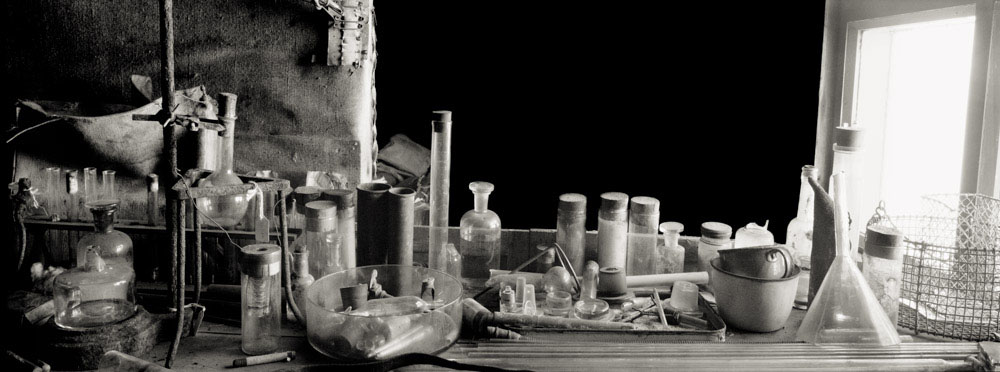
Chemistry Bench, Cape Evans
12.5x34”, Archival ink color print
In 2002, I received a four-month grant from the National Science Foundation to photograph “how we live and work in Antarctica.” This photographic project linked the past years of exploration visible in the historic huts of Scott and Shackleton with the ongoing research at McMurdo, surrounding field stations, and the South Pole.
The subsequent exhibition was organized by the Smithsonian Traveling Exhibition Service. It opened at the Museum of Natural History in Washington, D.C. in 2006 and traveled for four years. It was accompanied by a book, Wondrous Cold: An Antarctic Journey, published by Smithsonian Books.
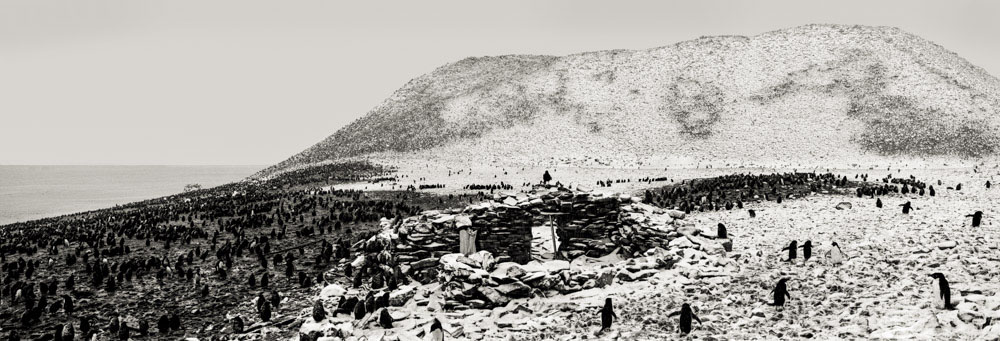
Paulet Island
12.5x34”, Archival ink color print
In 2002, I received a four-month grant from the National Science Foundation to photograph “how we live and work in Antarctica.” This photographic project linked the past years of exploration visible in the historic huts of Scott and Shackleton with the ongoing research at McMurdo, surrounding field stations, and the South Pole.
The subsequent exhibition was organized by the Smithsonian Traveling Exhibition Service. It opened at the Museum of Natural History in Washington, D.C. in 2006 and traveled for four years. It was accompanied by a book, Wondrous Cold: An Antarctic Journey, published by Smithsonian Books.

South Pole Station
12.5x34”, Archival ink color print
In 2002, I received a four-month grant from the National Science Foundation to photograph “how we live and work in Antarctica.” This photographic project linked the past years of exploration visible in the historic huts of Scott and Shackleton with the ongoing research at McMurdo, surrounding field stations, and the South Pole.
The subsequent exhibition was organized by the Smithsonian Traveling Exhibition Service. It opened at the Museum of Natural History in Washington, D.C. in 2006 and traveled for four years. It was accompanied by a book, Wondrous Cold: An Antarctic Journey, published by Smithsonian Books.

Detaille Island
12.5x34”, Archival B&W print
In 2002, I received a four-month grant from the National Science Foundation to photograph “how we live and work in Antarctica.” This photographic project linked the past years of exploration visible in the historic huts of Scott and Shackleton with the ongoing research at McMurdo, surrounding field stations, and the South Pole.
The subsequent exhibition was organized by the Smithsonian Traveling Exhibition Service. It opened at the Museum of Natural History in Washington, D.C. in 2006 and traveled for four years. It was accompanied by a book, Wondrous Cold: An Antarctic Journey, published by Smithsonian Books.
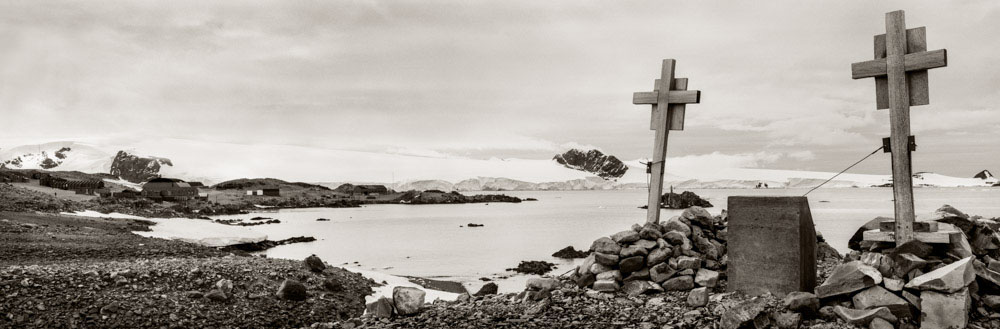
Esperanza Base, Hope Bay
12.5x34”, Archival B&W print
In 2002, I received a four-month grant from the National Science Foundation to photograph “how we live and work in Antarctica.” This photographic project linked the past years of exploration visible in the historic huts of Scott and Shackleton with the ongoing research at McMurdo, surrounding field stations, and the South Pole.
The subsequent exhibition was organized by the Smithsonian Traveling Exhibition Service. It opened at the Museum of Natural History in Washington, D.C. in 2006 and traveled for four years. It was accompanied by a book, Wondrous Cold: An Antarctic Journey, published by Smithsonian Books.
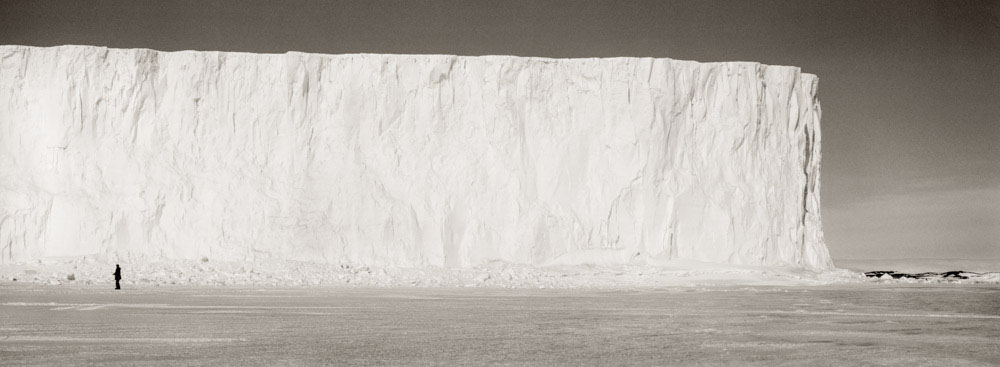
Barne Glacier
12.5x34”, Archival B&W print
In 2002, I received a four-month grant from the National Science Foundation to photograph “how we live and work in Antarctica.” This photographic project linked the past years of exploration visible in the historic huts of Scott and Shackleton with the ongoing research at McMurdo, surrounding field stations, and the South Pole.
The subsequent exhibition was organized by the Smithsonian Traveling Exhibition Service. It opened at the Museum of Natural History in Washington, D.C. in 2006 and traveled for four years. It was accompanied by a book, Wondrous Cold: An Antarctic Journey, published by Smithsonian Books.

Stromness Whaling Station, South Georgia
12.5x34”, Archival B&W print
In 2002, I received a four-month grant from the National Science Foundation to photograph “how we live and work in Antarctica.” This photographic project linked the past years of exploration visible in the historic huts of Scott and Shackleton with the ongoing research at McMurdo, surrounding field stations, and the South Pole.
The subsequent exhibition was organized by the Smithsonian Traveling Exhibition Service. It opened at the Museum of Natural History in Washington, D.C. in 2006 and traveled for four years. It was accompanied by a book, Wondrous Cold: An Antarctic Journey, published by Smithsonian Books.

Elephant Island
12.5x34”, Archival ink color print
In 2002, I received a four-month grant from the National Science Foundation to photograph “how we live and work in Antarctica.” This photographic project linked the past years of exploration visible in the historic huts of Scott and Shackleton with the ongoing research at McMurdo, surrounding field stations, and the South Pole.
The subsequent exhibition was organized by the Smithsonian Traveling Exhibition Service. It opened at the Museum of Natural History in Washington, D.C. in 2006 and traveled for four years. It was accompanied by a book, Wondrous Cold: An Antarctic Journey, published by Smithsonian Books.
Book | Wondrous Cold: An Antarctic Journey
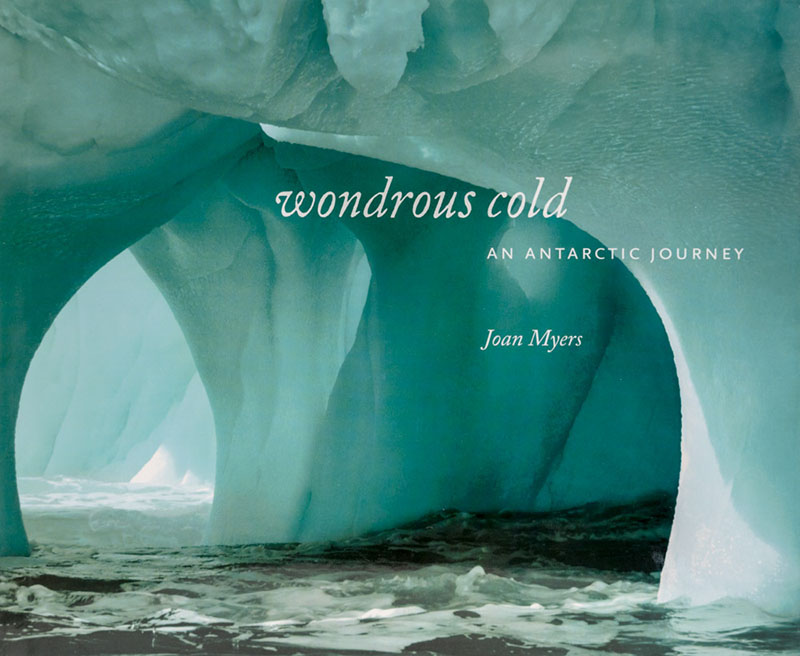
Wondrous Cold: An Antarctic Journey
Smithsonian Institution Traveling Exhibition Service in association with Smithsonian Books.
ISBN:10:1–58834-238–7
Wondrous Cold: An Antarctic Journey received an Honorable Mention from the American Association of Museums’ 2006 Publications Competition.
“There is music in her best prints, subtle, lovely, and nuanced.” — Michael More, Camera Arts
Video
Press
Wondrous Cold, the companion book to the SITES exhibition, May-September 2006, at the Smithsonian’s National Museum of Natural History, features more than 180 of Myers’ captivating color and black-and-white photographs. Wondrous Cold: An Antarctic Journey received an Honorable Mention from the American Association of Museums’ 2006 Publications Competition.
“Into the very soul of cold”, a review of “Antarctica, A Group Exhibition” at the Bulger Gallery
“A World Apart”, Mike Crawford talks to Joan Myers about photographing the extraordinary landscape of the Antarctic, Black / White Photography, March 2006, Issue 57.
2003 Eliot Porter Prize Award from the New Mexico Council on Photography
“Still Life”, Stanford Magazine, March/April 2005 article
Camera Arts article on Joan Myers
“ ‘Wondrous Cold’: Burke exhibit shows there’s much more to Antarctica than penguins. “The Myers collection, 50 photographs organized by the Smithsonian Institution, provides several levels of context for our presence in Antarctica.”– Seattle Times
“Find icy beauty” at Museum of the Gulf Coast by Cheryle Winkleman, The Enterprise 01/20/2008 “It’s not easy taking pictures when you’re at the South Pole.”
LensWork Extended #71 has created a 62 page pdf portfolio of “Wondrous Cold” images with an audio interview which is available by going to the LensWork website and ordering a copy. The work also appears in their print version, LensWork 71, Jul-Aug 2007.
Powerful Encounters, Thursday, November 23, 2006 (NYC) Radio Interview with Leonard Lopate “… a photographer tells us about her trip to one of the most hostile climates on Earth: Antarctica.”
The Geographical Society of Philadelphia hosts Ms. Myers as she gives a multimedia presentation October 19, 2006 (pdf press release)
Alaska Airline, May 2006, article featuring “Wondrous Cold Exhibition.”