
Whispered Silences
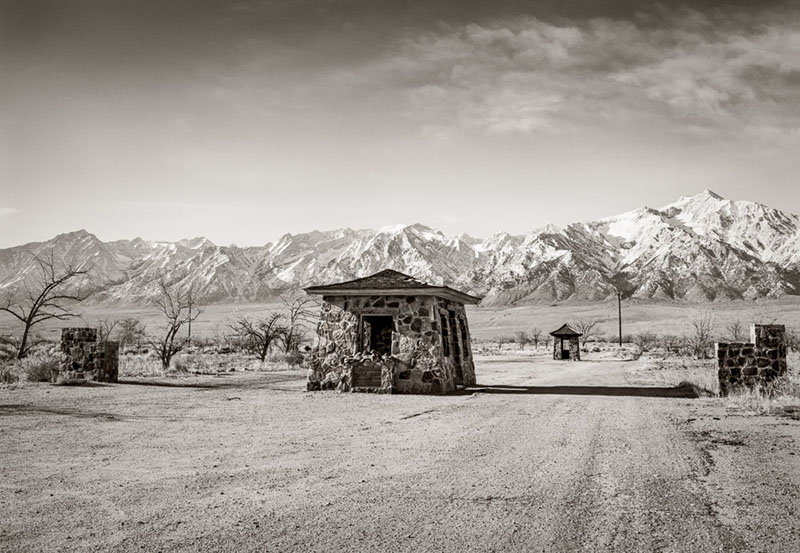
Manzanar, California (Entry Station)
10 x 12.5″, platinum-palladium print with pastel. Prints are numbered and signed by the artist
In the spring of 1942, the United States began the removal and internment of 110,000 of its residents, two-thirds of them American citizens. These Japanese-Americans were not guilty of any crime and were not individually interrogated; yet, because of their ancestry, they spent the next one to three years in concentration camps located in some of the harshest and most desolate areas of the country.
Photographs by Joan Myers of these camps were shown around the United States as part of a 3‑year SITES (Smithsonian Institution Traveling Exhibition Service) tour, 1996–1999. A book, Whispered Silences: Japanese Americans and World War II, with text by Gary Okihiro, accompanied the exhibit.

Heart Mountain, Wyoming
15 x 19″, platinum-palladium print with pastel. Prints are numbered and signed by the artist
In the spring of 1942, the United States began the removal and internment of 110,000 of its residents, two-thirds of them American citizens. These Japanese-Americans were not guilty of any crime and were not individually interrogated; yet, because of their ancestry, they spent the next one to three years in concentration camps located in some of the harshest and most desolate areas of the country.
Photographs by Joan Myers of these camps were shown around the United States as part of a 3‑year SITES (Smithsonian Institution Traveling Exhibition Service) tour, 1996–1999. A book, Whispered Silences: Japanese Americans and World War II, with text by Gary Okihiro, accompanied the exhibit.
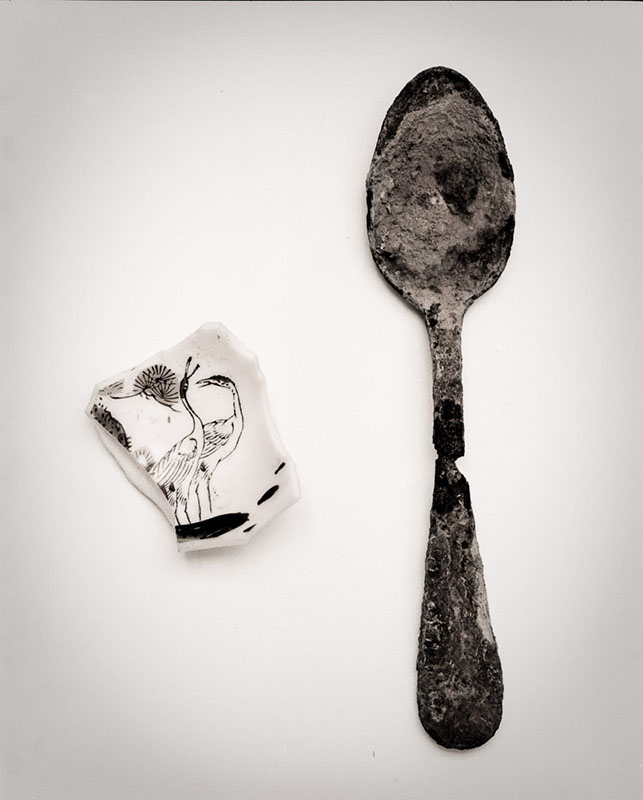
Spoon and China,
9 x 6″, platinum-palladium print with pastel. Prints are numbered and signed by the artist
In the spring of 1942, the United States began the removal and internment of 110,000 of its residents, two-thirds of them American citizens. These Japanese-Americans were not guilty of any crime and were not individually interrogated; yet, because of their ancestry, they spent the next one to three years in concentration camps located in some of the harshest and most desolate areas of the country.
Photographs by Joan Myers of these camps were shown around the United States as part of a 3‑year SITES (Smithsonian Institution Traveling Exhibition Service) tour, 1996–1999. A book, Whispered Silences: Japanese Americans and World War II, with text by Gary Okihiro, accompanied the exhibit.

Toy Car
6 x 8″, platinum-palladium print with pastel. Prints are numbered and signed by the artist
In the spring of 1942, the United States began the removal and internment of 110,000 of its residents, two-thirds of them American citizens. These Japanese-Americans were not guilty of any crime and were not individually interrogated; yet, because of their ancestry, they spent the next one to three years in concentration camps located in some of the harshest and most desolate areas of the country.
Photographs by Joan Myers of these camps were shown around the United States as part of a 3‑year SITES (Smithsonian Institution Traveling Exhibition Service) tour, 1996–1999. A book, Whispered Silences: Japanese Americans and World War II, with text by Gary Okihiro, accompanied the exhibit.
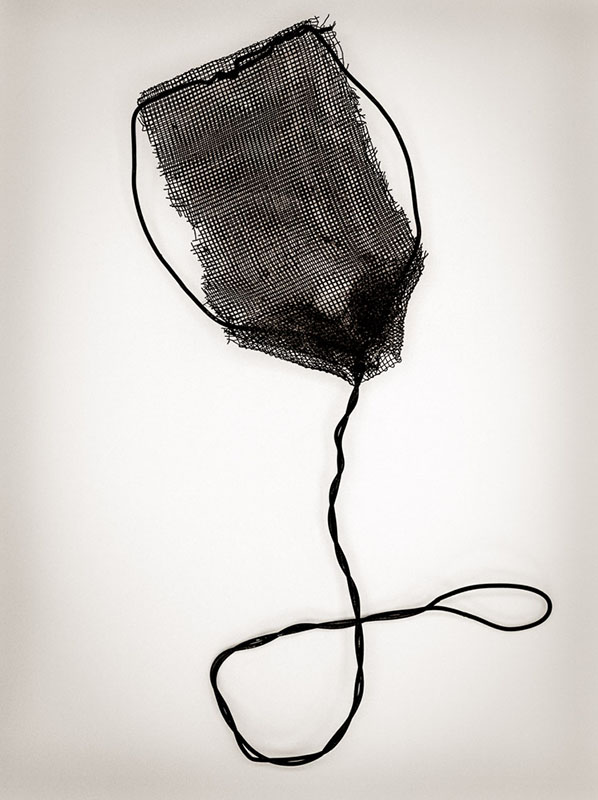
Handmade Flyswatter,
9 x 6″, platinum-palladium print with pastel. Prints are numbered and signed by the artist
In the spring of 1942, the United States began the removal and internment of 110,000 of its residents, two-thirds of them American citizens. These Japanese-Americans were not guilty of any crime and were not individually interrogated; yet, because of their ancestry, they spent the next one to three years in concentration camps located in some of the harshest and most desolate areas of the country.
Photographs by Joan Myers of these camps were shown around the United States as part of a 3‑year SITES (Smithsonian Institution Traveling Exhibition Service) tour, 1996–1999. A book, Whispered Silences: Japanese Americans and World War II, with text by Gary Okihiro, accompanied the exhibit.

Amache, Colorado (Foundation and stone)
10 x 12″, platinum-palladium print with pastel. Prints are numbered and signed by the artist
In the spring of 1942, the United States began the removal and internment of 110,000 of its residents, two-thirds of them American citizens. These Japanese-Americans were not guilty of any crime and were not individually interrogated; yet, because of their ancestry, they spent the next one to three years in concentration camps located in some of the harshest and most desolate areas of the country.
Photographs by Joan Myers of these camps were shown around the United States as part of a 3‑year SITES (Smithsonian Institution Traveling Exhibition Service) tour, 1996–1999. A book, Whispered Silences: Japanese Americans and World War II, with text by Gary Okihiro, accompanied the exhibit.
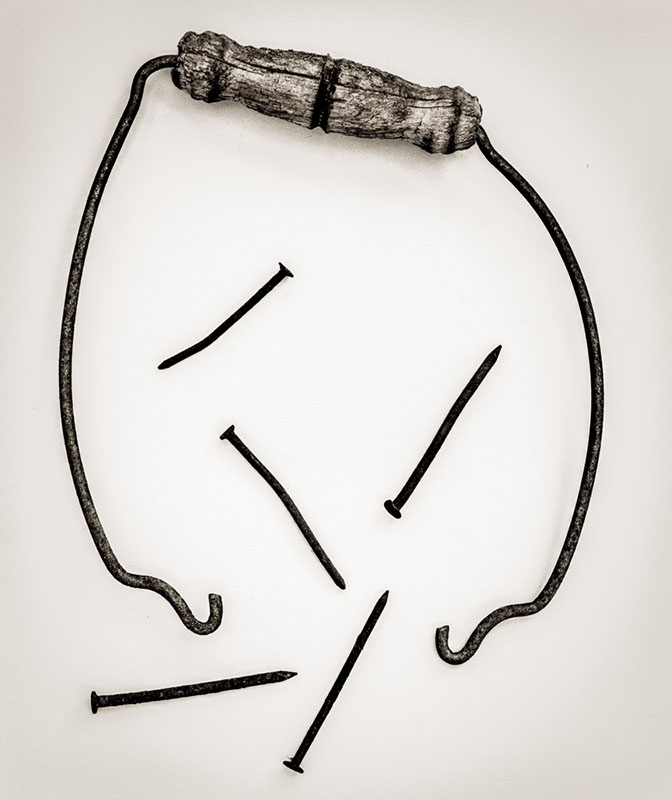
Handle and Nails
9 x 6″, platinum-palladium print with pastel. Prints are numbered and signed by the artist
In the spring of 1942, the United States began the removal and internment of 110,000 of its residents, two-thirds of them American citizens. These Japanese-Americans were not guilty of any crime and were not individually interrogated; yet, because of their ancestry, they spent the next one to three years in concentration camps located in some of the harshest and most desolate areas of the country.
Photographs by Joan Myers of these camps were shown around the United States as part of a 3‑year SITES (Smithsonian Institution Traveling Exhibition Service) tour, 1996–1999. A book, Whispered Silences: Japanese Americans and World War II, with text by Gary Okihiro, accompanied the exhibit.

Manzanar, California (Guard Tower Footings)
15 x 19″, platinum-palladium print with pastel. Prints are numbered and signed by the artis
In the spring of 1942, the United States began the removal and internment of 110,000 of its residents, two-thirds of them American citizens. These Japanese-Americans were not guilty of any crime and were not individually interrogated; yet, because of their ancestry, they spent the next one to three years in concentration camps located in some of the harshest and most desolate areas of the country.
Photographs by Joan Myers of these camps were shown around the United States as part of a 3‑year SITES (Smithsonian Institution Traveling Exhibition Service) tour, 1996–1999. A book, Whispered Silences: Japanese Americans and World War II, with text by Gary Okihiro, accompanied the exhibit.
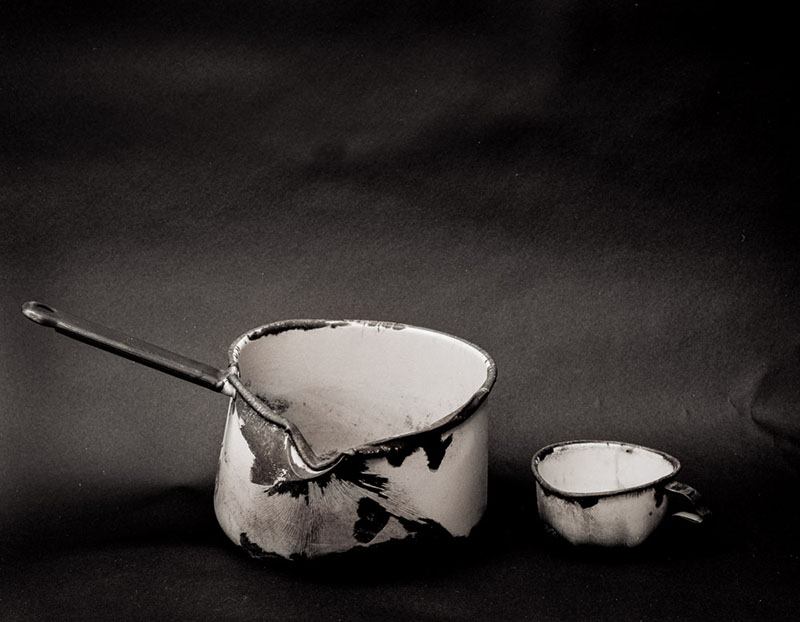
Pan and Cup
6 x 9″, platinum-palladium print with pastel. Prints are numbered and signed by the artist
In the spring of 1942, the United States began the removal and internment of 110,000 of its residents, two-thirds of them American citizens. These Japanese-Americans were not guilty of any crime and were not individually interrogated; yet, because of their ancestry, they spent the next one to three years in concentration camps located in some of the harshest and most desolate areas of the country.
Photographs by Joan Myers of these camps were shown around the United States as part of a 3‑year SITES (Smithsonian Institution Traveling Exhibition Service) tour, 1996–1999. A book, Whispered Silences: Japanese Americans and World War II, with text by Gary Okihiro, accompanied the exhibit.
Book | Whispered Silences: Japanese Americans and World War II

Whispered Silences: Japanese Americans and World War II
Photographs by Joan Myers, text by Gary Okihiro.
University of Washington Press, 1996
ISBN: 0–295-97498–2 (now out of print)
“This book is important for its testimony. We all must remember not only the injustices committed by others but also the suffering our nation has inflicted upon innocent men, women, and children, who were blamed only for their ethnic origin. They deserve not only our sympathy but also our solidarity.” — Elie Wiesel
Whispered Silences received a Rocky Mt. Booksellers Award and an honorable mention from the Maine Photographic Workshops for photography books.